Evaluating Cottagecore Sage Green Daisy Paper for Creative Projects
Digital design resources have become essential tools for creators ranging from hobbyist scrapbookers to professional graphic designers. Among the vast array of available textures and patterns, Cottagecore Sage Green Daisy Paper has emerged as a specific niche preference for those seeking a blend of natural aesthetics and vintage charm. This article provides an objective evaluation of this digital asset, exploring its characteristics, practical applications, and the considerations necessary to determine if it aligns with your specific project goals.
Defining the Aesthetic and Utility
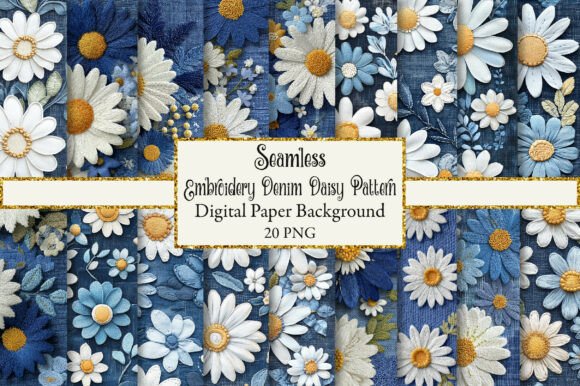
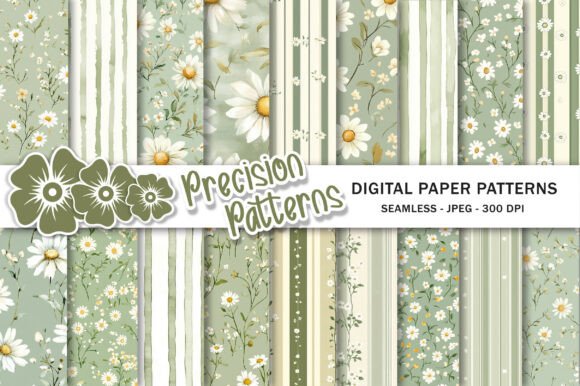
Cottagecore Sage Green Daisy Paper refers to a collection of high-resolution digital backgrounds characterized by a soft, muted green palette reminiscent of sage leaves, overlaid with daisy motifs. The "cottagecore" designation implies a style that romanticizes rural life, emphasizing simplicity, nature, and nostalgia. Unlike bright or neon floral patterns, these designs typically utilize earth tones and subdued hues to create a calming visual effect.
Technically, a standard set of these papers usually includes around 20 unique variations. They are commonly distributed in JPEG format with dimensions of 12″ x 12″ and a resolution of 300 DPI (dots per inch). These specifications are critical because they dictate the versatility of the files. A 300 DPI resolution is the industry standard for high-quality printing, ensuring that the images remain crisp whether used for small planner stickers or larger invitation cards. The 12″ x 12″ size is particularly significant as it matches the standard paper size used in traditional scrapbooking, allowing for seamless integration into physical crafts without excessive scaling.
Reasons for Interest and Primary Benefits
Creators often seek out Cottagecore Sage Green Daisy Paper for its ability to evoke a specific mood. The primary benefit lies in its thematic consistency. For projects centered around spring, weddings, baby announcements, or nature-themed branding, this aesthetic provides an immediate visual cue that aligns with concepts of growth, freshness, and tranquility.
The utility of these digital papers extends across various mediums:
- Physical Crafts: The high resolution makes them ideal for printing onto cardstock for handmade invitations, birth announcements, and wedding stationery. The 12″ x 12″ format allows crafters to print directly onto standard scrapbook paper or cut sheets for use in planners and journals.
- Digital Design: For web designers and social media managers, these backgrounds serve as effective textures for blog headers, Instagram story templates, and Pinterest pins. The neutral sage background ensures that text overlays remain legible, a common challenge with busier patterns.
- Packaging and Branding: Small business owners selling handmade goods often use these patterns for digital packaging inserts, thank-you cards, or label designs to reinforce a natural, eco-friendly brand identity.
Another significant advantage is the ease of customization. Because these are digital files, they can be resized using standard software like Adobe Photoshop, Canva, or Procreate. This flexibility allows users to adapt the pattern to fit non-standard dimensions, such as website banners or specific sticker cuts, without losing significant quality, provided the scaling is done proportionally.
Practical Considerations and Tradeoffs
While Cottagecore Sage Green Daisy Paper offers distinct advantages, it is important to evaluate potential limitations before making a purchase or committing to a design direction. The most notable tradeoff is the specificity of the style. The cottagecore aesthetic is highly trend-dependent. While currently popular, designs heavily reliant on specific vintage tropes may date more quickly than minimalist or abstract patterns. Creators building a long-term brand identity should consider whether this specific look will resonate with their audience five years from now.
Furthermore, the color palette presents both an opportunity and a constraint. Sage green is versatile, but it may not provide sufficient contrast for all types of content. If a project requires vibrant, high-energy visuals or needs to adhere to a corporate brand guide with strict color requirements, these papers may require significant color correction or may simply be unsuitable. Users must assess their existing color schemes to ensure the sage tones complement rather than clash with other elements.
It is also crucial to understand the nature of the product. These are digital downloads, not physical sheets of paper. There is no tangible product shipped to the buyer. This requires the user to have access to a printer capable of handling high-quality image files if physical outputs are desired. Additionally, while the files are easy to resize, expanding a 12″ x 12″ image to cover a large format (like a poster or backdrop) can result in pixelation if the software interpolation is not handled correctly. Users should manage their expectations regarding maximum print sizes based on the 300 DPI baseline.
Situations for Strong Fit vs. Alternatives
This specific type of digital paper is a strong fit when the project goal is to create a cohesive, nature-inspired narrative. It excels in contexts such as:
- Wedding and Event Stationery: Where a soft, romantic, and organic feel is desired for save-the-dates or menu cards.
- Personal Organization: For individuals creating custom planner stickers or journal covers who prefer a calming, non-distracting background.
- Eco-Conscious Branding: For businesses marketing natural products, where the visual language needs to suggest sustainability and gentleness.
However, alternatives may be worth considering in different scenarios. If the objective is to create bold, modern marketing materials, a geometric pattern or a solid color block might convey professionalism more effectively. Similarly, for projects requiring dark mode compatibility or high-contrast accessibility, a light sage background with white daisies may fail to meet readability standards without heavy modification. In cases where texture is needed without a specific floral motif, users might consider watercolor washes or linen textures which offer similar tactile qualities without the thematic baggage of the "daisy" motif.
Decision-Making Insights
When deciding whether to incorporate Cottagecore Sage Green Daisy Paper into a workflow, creators should perform a simple audit of their project requirements. First, verify the technical needs: does the project require 300 DPI for print, or is 72 DPI sufficient for screen-only use? While these sets usually offer the higher resolution, confirming this prevents future quality issues. Second, evaluate the longevity of the design. Is this for a one-time event like a birthday party, or is it for a permanent website background? The former justifies leaning into trends, while the latter may demand a more timeless approach.
Finally, consider the licensing and usage rights associated with the download. Most digital paper sets allow for personal and small commercial use, but restrictions often apply regarding reselling the files "as is." Understanding these boundaries ensures that the resource is used ethically and legally.
In conclusion, Cottagecore Sage Green Daisy Paper represents a specialized tool within the broader category of digital design assets. Its value lies in its ability to instantly establish a warm, natural atmosphere across both print and digital media. By weighing the aesthetic benefits against the constraints of style specificity and technical requirements, creators can make an informed decision on whether this resource truly supports their creative vision.