Evaluating Strawberry Cottage Digital Paper for Modern Creative Projects
In the evolving landscape of digital crafting and graphic design, selecting the right texture and background assets is a critical step that often determines the final quality of a project. For designers, scrapbookers, and small business owners, the choice between various digital paper collections involves weighing aesthetic appeal against technical specifications and versatility. Strawberry Cottage Digital Paper has emerged as a notable option in this crowded marketplace, offering a specific blend of rustic charm and high-resolution utility. Understanding what sets this collection apart, and where it fits within the broader ecosystem of design resources, requires a practical look at its features, limitations, and ideal use cases.
Defining the Aesthetic and Technical Profile
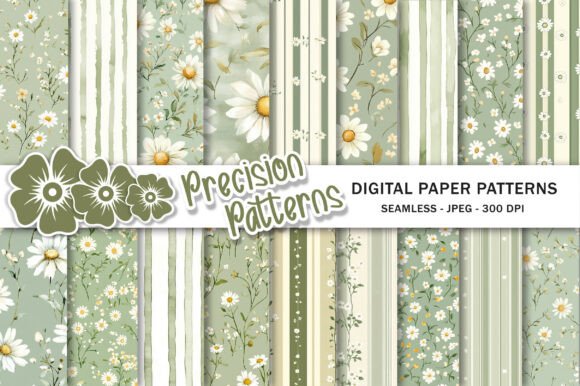
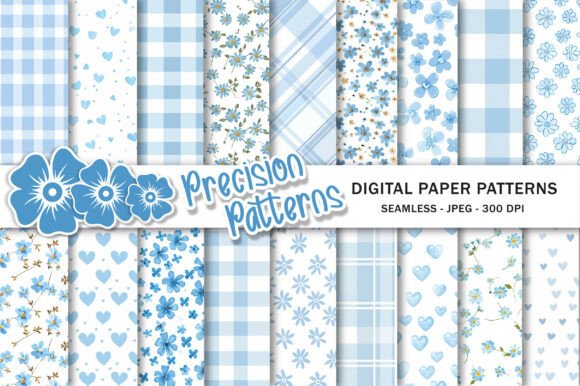
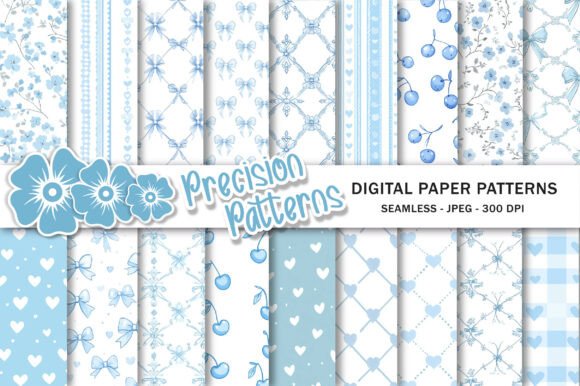
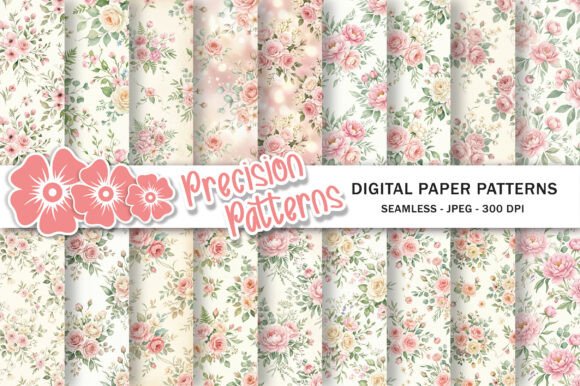
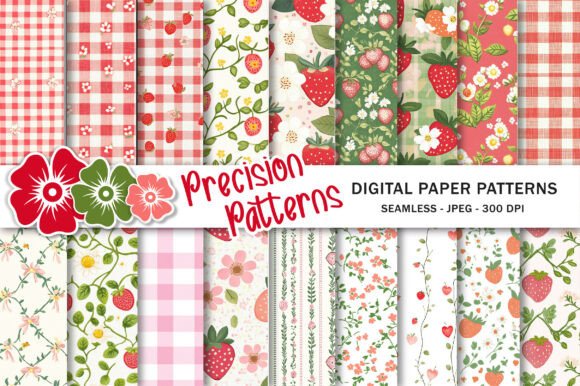
At its core, Strawberry Cottage Digital Paper represents a curated set of thirty unique designs intended to evoke a sense of warmth, nostalgia, and handmade quality. Unlike generic pattern generators that can sometimes feel sterile or repetitive, this collection focuses on cohesive themes suitable for storytelling through design. The visual language typically leans toward cottage-core aesthetics, incorporating soft florals, subtle textures, and earthy or pastel palettes that resonate with current trends in wedding stationery and personal planning.
From a technical standpoint, the specifications provided with this set are designed to meet professional standards. Each file is delivered in JPEG format at a size of 12″ x 12″ with a resolution of 300 dpi. This resolution is the industry standard for high-quality printing, ensuring that when these images are scaled down or used at full size for physical products like invitations or packaging, the output remains crisp without pixelation. The immediate download availability further streamlines the workflow for users who need assets quickly, eliminating shipping delays associated with physical paper packs.
Comparative Analysis: Digital vs. Physical and Other Formats
When evaluating Strawberry Cottage Digital Paper, it is helpful to compare it not only with other digital sets but also with traditional physical scrapbooking papers and alternative file formats. One of the primary trade-offs in this decision matrix is tangibility versus flexibility. Physical paper offers a tactile experience that digital files cannot replicate, which some crafters prefer for mixed-media projects involving glues, paints, or embossing. However, physical paper is limited by stock availability, shipping costs, and the inability to duplicate patterns without scanning them, which often results in quality loss.
In contrast, this digital set offers infinite reproducibility. Once purchased, the user can print the same pattern multiple times for consistent branding across different materials, such as matching planner stickers and gift tags. Furthermore, while some digital resources come in vector formats (like SVG or EPS) which allow for infinite scaling without quality loss, the 300 dpi JPEG format provided here strikes a balance. It is sufficiently high-resolution for most print applications up to 12 inches, yet remains compatible with a wider range of software tools that may not support complex vector editing. For users whose primary workflow involves raster-based programs like Photoshop, Procreate, or even simpler tools like Canva, the JPEG format is often more straightforward to manipulate than vectors.
Versatility Across Different Creative Domains
The true value of any design asset lies in its adaptability. Strawberry Cottage Digital Paper is marketed for a wide array of applications, ranging from scrapbooking to social media banners. This breadth of utility is significant because it allows creators to maintain a consistent visual identity across both physical and digital touchpoints.
- Print-on-Demand and Packaging: For small business owners selling handmade goods, using these papers for packaging liners or product labels can elevate the unboxing experience. The 300 dpi resolution ensures that text and fine details on labels remain legible.
- Digital Planning and Stickers: The rise of digital planning on tablets has created a demand for high-quality backgrounds. These papers serve as excellent bases for creating digital planner stickers or full-page spreads, offering a textured look that mimics real paper without the bulk.
- Web and Social Media: While originally sized for print (12x12), the high resolution allows these images to be easily resized for website backgrounds, blog headers, or Instagram posts. Users can crop specific elements of the pattern to create unique banners that align with seasonal promotions or brand themes.
- Event Stationery: For weddings and birthdays, the cohesive nature of the 30-pattern set allows for the creation of matching invitation suites, menus, and place cards, ensuring a unified theme throughout the event.
Decision Factors: When This Set Is the Right Choice
Deciding whether Strawberry Cottage Digital Paper is the appropriate resource for a specific project depends on several factors, primarily the desired aesthetic and the intended output medium. This collection is an optimal choice for creators who prioritize a "handcrafted" look but require the efficiency of digital workflows. It is particularly well-suited for projects centered around life events—such as birth announcements, baby showers, and weddings—where a soft, inviting atmosphere is desired.
However, there are scenarios where this set might not be the best fit. If a project requires neon colors, ultra-modern geometric abstraction, or dark industrial themes, the cottage-style palette may clash with the creative vision. Additionally, while the 12x12 inch size is standard for scrapbooking, large-format printing (such as trade show banners or wall murals) would require upscaling these images beyond their native resolution, potentially leading to a loss in sharpness. In such cases, users might need to seek out vector-based alternatives or specifically engineered large-format textures.
Practical Considerations for Implementation
Integrating these digital papers into a workflow requires an understanding of how to manage layers and resizing. Since the files are JPEGs, they do not support transparent backgrounds natively. Designers wishing to overlay these patterns onto other colored backgrounds or images will need to use blending modes (such as "Multiply" or "Overlay") in their editing software to achieve a seamless integration. This is a common characteristic of raster image papers and is a minor hurdle for anyone familiar with basic graphic design principles.
Furthermore, the ease of resizing mentioned in the product description is contingent on the software used. Professional tools like Adobe Illustrator or Affinity Designer offer robust resizing capabilities with preview options, while free online tools provide quicker, albeit sometimes less precise, adjustments. Users should be mindful that while reducing the size of a 300 dpi image maintains quality, enlarging it significantly does not add detail; it merely interpolates existing pixels. Therefore, sticking to the intended 12x12 scale or smaller is recommended for the best results.
Final Thoughts on Resource Selection
Selecting the right digital assets is a balance between artistic inspiration and logistical practicality. Strawberry Cottage Digital Paper offers a compelling solution for those seeking high-resolution, versatile backgrounds that bridge the gap between traditional scrapbooking aesthetics and modern digital design needs. Its strength lies in its specific thematic focus and professional-grade resolution, making it a reliable foundation for a wide variety of personal and commercial projects.
Ultimately, the decision to utilize this set should be guided by the specific requirements of the project at hand. For creators looking to add a touch of rustic elegance to their invitations, enhance their social media presence, or streamline their packaging design without the constraints of physical inventory, this collection provides a robust toolkit. By understanding both the capabilities and the inherent limitations of the JPEG format and fixed dimensions, users can leverage these resources effectively to produce polished, professional-looking results. As with any design resource, the key is to view it as one component of a larger creative strategy, combining it with typography, photography, and layout techniques to tell a unique story.